How to Shop a Shinbashi Candy Counter Without the Awkward Pause
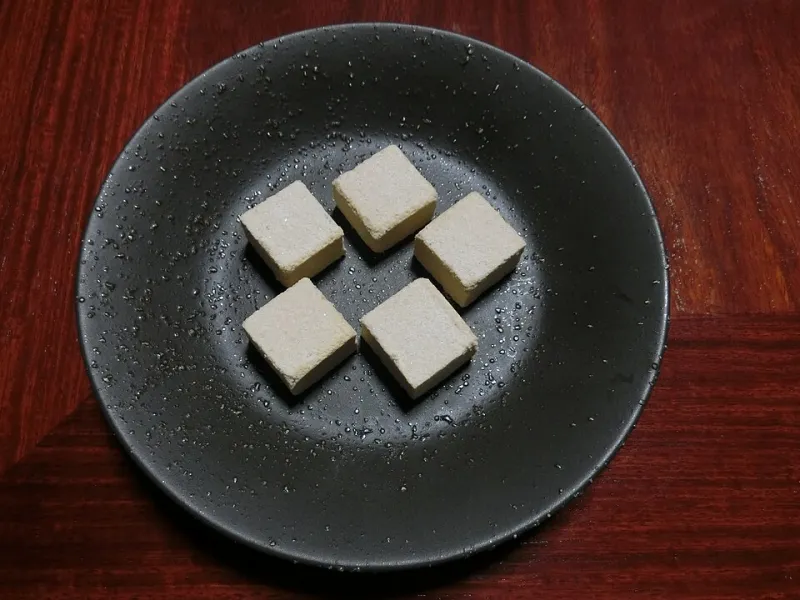
Photo: 大野 一将, CC BY-SA 4.0, via Wikimedia Commons
A traditional candy counter can feel like a pop quiz. There are tongs, trays, open bins, handwritten price tags, and a shopkeeper who may be busy with someone else. For a US visitor used to sealed bags and self-checkout, the urge is to grab, guess, and apologize. Don’t. The rules are not complicated; they are just small. Here is the confidence guide.
Start With Your Eyes, Not Your Hands
Before you touch anything, take a lap. Look at how other customers pick things up. Find the tongs and trays. If the shop is crowded, wait. Browsing is welcome; hovering over one bin while someone else waits is not.
Tongs Are Not Decorative
Use the tongs that belong to the bin. Don’t switch tongs between bins—flavors and allergens travel. Pick up one piece at a time and place it on the tray. Return the tongs to their rest. Don’t dig, don’t rummage, and don’t use your fingers even if the shopkeeper seems relaxed. If there are no tongs, ask before assuming. “Sumimasen” plus a pointed finger goes a long way.
Soft Sweets Are Not Stress Balls
Mochi, yokan, and soft candies are fragile. Do not squeeze them to test freshness. Pick them up by the edge, or ask staff to help. If you accidentally break something, tell the staff and offer to buy it. Don’t put a damaged piece back in the bin. That is the candy-counter equivalent of putting a used napkin back in the dispenser.
The Tray Is a Landing Pad
Use the tray under your selections. Don’t pile candy into a tower. Don’t eat from the tray. Don’t set your phone, keys, or train card on it. When you are done, bring the tray to the counter.
Know When to Pay
In most traditional shops, you select first, then pay at the counter. Staff may weigh your bag or count pieces. Don’t open a package before paying. Don’t hand cash directly to the shopkeeper if there is a small tray by the register; place bills and coins on the tray. Exact change is appreciated, especially at small shops. Keep a few 100-yen coins handy. Tipping is not a thing. Neither is bargaining.
Ask Before You Photograph
Photos are usually fine in tourist areas, but not always in small shops. Ask first: “Shashin daijobu desu ka?” while holding up your phone. If the answer is no, put it away. Don’t photograph other customers, staff faces, or handwritten signs without permission. A quick snap of a candy bin is one thing; treating the shop like a content studio is another.
Samples Are Invitations
If a sample is offered, take one, say thank you, and don’t ask for a second. If there is a sample tray sitting out, assume it is for customers, but don’t hover. Never reach into a bin for a “test.” That is not a sample; that is inventory.
A Few Words, Used Kindly
“Sumimasen” gets attention. “Kore kudasai” means this one, please. “Ikura desu ka?” asks the price. “Arigatou gozaimasu” is thank you. You do not need perfect pronunciation. Pointing politely and smiling works. What does not work is speaking louder in English.
The Confidence Part
You will make a small mistake at some point. Maybe you will forget to use the tray, or hold up the line while deciding. Apologize, correct it, and move on. Shinbashi candy counters are not temples of silence; they are shops. The point is to be neat, patient, and aware that the person behind the counter is doing a job. Buy something small, say thank you, and leave the bin better than you found it. That is the whole etiquette.