Chewy, Not All Mochi: A Shinbashi Candy Counter Cheat Sheet
Photo: Japanese dango uiro yokan manju mochi sweets assortment shop, via thestrongtraveller.com
Walk into a Shinbashi sweets shop with a vague plan to buy mochi and you will probably leave with something else. That is not a failure. It is a vocabulary problem. In the US, mochi has become a catch-all word for chewy Japanese sweets, from ice cream wrapped in rice dough to sticky rice cakes to things that are not mochi at all.
In Shinbashi, the labels are more specific. Dango is not mochi. Uiro is not mochi. Yokan is definitely not mochi. And the actual mochi sold in shops is only one small part of a much wider chewy-sweet world. This guide is meant to be used at the counter, not studied like a exam. Read the texture, check the shelf life, and buy the one that matches how you actually plan to eat it.
First, the Word Mochi
Mochi is made from glutinous rice that is pounded or mashed into a sticky dough. That is the short version. The texture is soft, stretchy, and slightly tacky. Real mochi can be plain, sweetened, grilled, wrapped around a filling, or dusted with powder. It is not a general term for every chewy sweet in Japan, even if English-language menus sometimes use it that way.
This matters for shopping because the sweets below are sold differently. Some are fresh and should be eaten the same day. Some are shelf-stable and easy to pack. Some are cheap snacks. Some are closer to a small dessert. Knowing which is which keeps you from buying a beautiful box that turns into a science experiment in your hotel room.
Dango: The Skewered Crowd
Dango are small round dumplings made from rice flour, often served on a skewer. They are chewy, but in a softer, more tender way than mochi. The classic version in autumn and winter is mitarashi dango, brushed with a sweet soy glaze. You will also see plain dango, matcha dango, and seasonal versions with bean paste.
In Shinbashi, dango is usually sold fresh, often near station kiosks or small sweet shops, and it is meant to be eaten soon. The skewer makes it look like a snack, and it is one. Prices are usually modest, often a few hundred yen for a pack. For a US visitor, think of it as the chewy cousin of a soft pretzel stick, except the glaze is sweet and soy-savory rather than salty.
Shopping note: dango does not travel well. Buy it for breakfast or an afternoon snack, not for the flight home.
Uiro: The Quiet Block
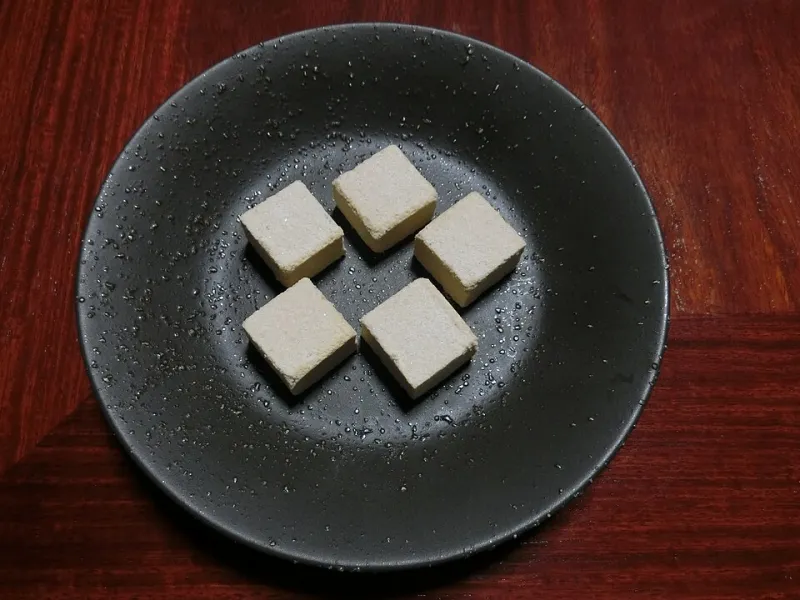
Uiro is a steamed cake made from rice flour and sugar. It is chewy, but not stretchy like mochi. The texture is firm, smooth, and slightly gelatinous. It often comes in brick-like blocks or slices, sometimes layered in pastel colors, and it can be flavored with matcha, citrus, or red bean.
This is one of the most mislabeled sweets in English. Visitors see a chewy block and call it mochi. It is not. Uiro is more like a dense, sweet steamed pudding that happens to be sliceable. It keeps better than dango and is often sold in boxes, which makes it a reasonable budget souvenir if you like firm, mildly sweet textures.
At a Shinbashi shop, look for small packs rather than large gift boxes. A few slices are enough to decide whether you like it. If you enjoy the texture of firm jelly candy, you probably will. If you want gooey stretch, keep walking.
Yokan: The Grown-Up Slice
Yokan is a dense block made from red bean paste, sugar, and agar. It is firm, sliceable, and usually eaten in small pieces with tea. The texture is not chewy in the mochi sense. It is more like a firm fudge or a thick fruit paste, depending on the type. There is also mizu yokan, a softer summer version, but in November you are more likely to see the firm kind.
Yokan is a good example of why the mochi label fails. It contains no glutinous rice dough. It is a bean sweet, and it tastes like one: earthy, sweet, and a little sophisticated. For US shoppers, the closest comparison might be a very smooth, sliceable fig bar crossed with red bean paste. That is not a perfect comparison, but it gets you closer than the word mochi.
Yokan keeps well and is easy to carry. It is also often sold in inexpensive small bars at station shops and department-store food halls. If you want a traditional sweet that will survive a suitcase, this is a better bet than fresh dango.
Manju: Cake Around a Center
Manju is a steamed or baked bun with a filling, usually red bean paste. The outside is a soft dough made from wheat flour, rice flour, or buckwheat, depending on the style. The texture is tender and cake-like, not stretchy. Some manju are small enough for one bite; others are closer to a palm-sized snack.
In Shinbashi, manju shows up in convenience stores, station kiosks, and old sweet shops. It is affordable, filling, and easy to understand once you stop expecting mochi. Think of it as a soft filled cookie or a steamed bun with a sweet center. If you like red bean, buy one. If you do not, buy a matcha or fruit-filled version instead.
Shelf life varies. Fresh steamed manju should be eaten quickly. Packaged manju can last longer, but check the date. For a budget souvenir, small individually wrapped manju are practical. For a snack on the train, a single fresh one is better.
Actual Mochi: The Stretchy One
Real mochi in Shinbashi shops can take several forms. You may see plain mochi cakes, mochi wrapped around sweet bean paste, mochi dusted with kinako powder, or mochi in soups and savoury dishes. The texture should be soft and stretchy, with a slight resistance when you bite. Good mochi does not taste like a marshmallow. It tastes like rice.
This is the category US visitors usually mean when they say they want mochi. If that is your goal, ask for mochi by name and expect a shorter shelf life than yokan or packaged manju. Fresh mochi is best eaten the same day. Packaged mochi exists, but it is a different experience.
How to Shop in Shinbashi Without Guessing
Start with the counter, not the gift aisle. Shinbashi Station kiosks, convenience stores, and the small wagashi shops in the lanes around Karasumori are good places to buy single portions. Department-store food halls, including those a short ride away in Ginza, are better for variety and small boxes. The New Shinbashi Building and nearby station-area shops are useful for quick snack stops rather than elaborate gift shopping.
Use price as a signal. A single skewer of dango or a small manju is a snack. A boxed assortment is a gift or a planned dessert. If you are buying for a hotel room, buy fresh items in small amounts. If you are buying for home, choose yokan, packaged manju, or firm uiro.
And read the texture words. Chewy does not always mean mochi. Soft does not always mean fresh. Sweet does not always mean bean paste. The more precisely you shop, the more likely you are to come home with something you actually want to eat.