The 24-Wrapper Plan: Building a Shinbashi Candy Advent Calendar From Loose Counter Sweets

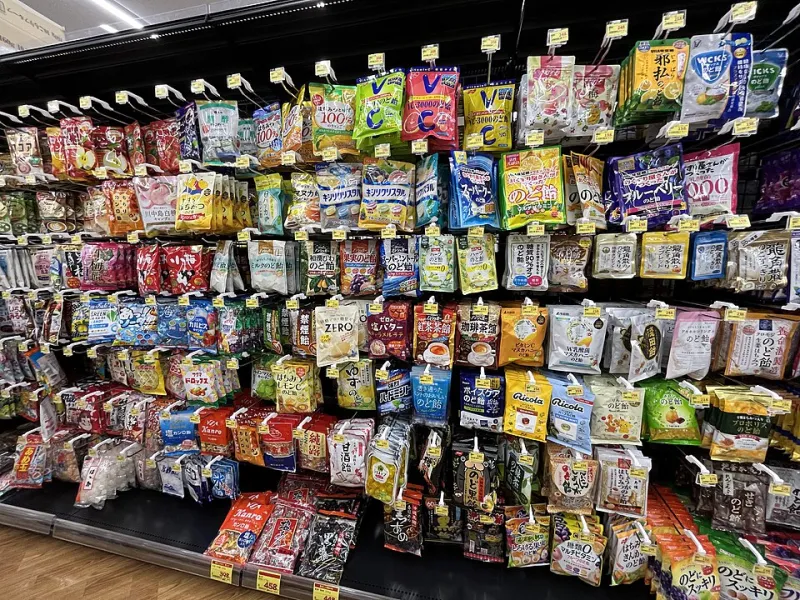
Photo: assortment of individually wrapped Japanese candies in small paper wrappers on a wooden table, via i.pinimg.com
Every December, US grocery aisles fill with advent calendars that promise more than they deliver: twenty-four little doors, twenty-four waxy chocolates, one mildly disappointed kid. There is a better version, and it costs less than you would guess. It just takes a trip to a Japanese candy counter — or an online shop selling the same loose, individually wrapped sweets — and about half an hour of assembly at your kitchen table.
Here is how to build a 24-day calendar out of Shinbashi-style counter candy, no imported box required.
Start With the Wrapper, Not the Candy
The entire project rests on one rule: every piece must be individually wrapped. That rules out loose konpeito scooped straight from a bin and anything pulled from a shared tray, unless you plan to bag those yourself in small cellophane squares (a hundred of them cost a couple of dollars online, and they are worth having on hand).
Twist-wrapped hard candies, pillow packs of karinto, paper-wrapped senbei, and sealed bites of yokan all pass the test. They also survive a month in a cupboard, which is more than you can say for a chocolate truffle in a heated apartment.
One more thing to check before you commit: buy in late November, not mid-December. Freshness matters more than a few days of planning, and shipping from Japan slows down considerably once the holiday rush starts.
Build the 24 From Four Textures
The fastest way to guarantee variety is to stop thinking about brands and start thinking about how things feel in the mouth. Aim for six pieces in each of four groups:
- Hard: salt candy (shio ame), ramune drops, kintaro ame, milk candy.
- Crunchy: brown-sugar karinto, small rice crackers, arare, sesame brittle.
- Chewy: soft mochi candy, gummy, small yokan bites, fruit chews.
- Powdery or soft: kinako candy, matcha milk candy, powdered sugar drops.
Six of each gets you to 24 with a natural rhythm — no three chewy days in a row, no week that tastes like nothing but sugar. Then do a flavor pass: at least six of your 24 should lean salty, sour, or bitter. A plum-flavored hard candy or a salty rice cracker resets your palate in a way that another caramel cannot.
Budget by the Gram, Not by the Box
Most Japanese candy counters price by weight, usually in 100-gram units. Expect somewhere between 300 and 700 yen per 100 grams depending on the shop and how fancy the wrapping is. A single wrapped piece typically runs 5 to 10 grams, so 24 pieces lands around 200 to 250 grams. Buy 350 to 400 grams anyway — you want a handful of spares for quality control, and you will eat them.
That puts the whole calendar in the range of a modest dinner out, and comfortably below the price of a mid-range imported advent calendar with far less interesting contents. If you are shopping online, order enough to clear the shipping minimum and split the extras with a friend.
Sequence the Month So Week Four Holds Up
The most common DIY mistake is putting the best pieces in the first week, when enthusiasm is high, and leaving the dregs for December 22. Two rules fix that.
First, sort by durability. Anything delicate — soft yokan, chocolate-coated pieces, candies with a powdery dusting that can absorb odors — goes in days 1 through 8. Hearty hard candies and sealed rice crackers can wait until the teens and twenties.
Second, place two anchor pieces deliberately: something genuinely special on day 1, and something even better on day 24. Everything between them can be shuffled freely. Alternate textures day to day, and keep a rough note of which day holds the sour one and which holds the salty one so you are not opening three sweets in a row.
Label Like You Mean It
Write the day number on the outside of the wrapper — a fine-tip marker or a small sticker, never on the candy itself. Then make a simple key: a card listing day, candy name, and a five-word note (salty plum, brown sugar crunch, very chewy). Tape it inside a cupboard door or keep it in a drawer.
If you want to make it a game, skip the names on the card and let each day be a blind taste, with a reveal at the end. Families with kids tend to prefer the numbered-only version.
Storage Without a Fancy Box
You do not need a wooden calendar with tiny drawers. A 24-cup mini muffin tin does the job beautifully — line each cup with a small square of parchment, drop in a piece, and cover the whole thing loosely with a tea towel. A shoe box with 24 small paper cups works just as well, and a clean tin is fine if you layer pieces between sheets of wax paper.
Keep the container somewhere cool and dark, away from the stove, the radiator, and any open spice jar. Skip the refrigerator: hard candy picks up condensation and goes sticky. If your kitchen runs warm, a closet shelf is a better home than the countertop.
A Working Sample
Twelve pieces to get you started, doubled to fill the month: salt candy, ramune drops, milk candy, kintaro ame, brown-sugar karinto, a small soy-sauce senbei, arare, sesame brittle, soft mochi candy, a yokan bite, kinako candy, and a plum-flavored hard candy. From there, swap freely — the structure matters more than any single pick.
Thirty minutes, one counter, 24 wrappers. By the time December 1 arrives, the hard part is not building the calendar. It is not opening day 14 on day 3.