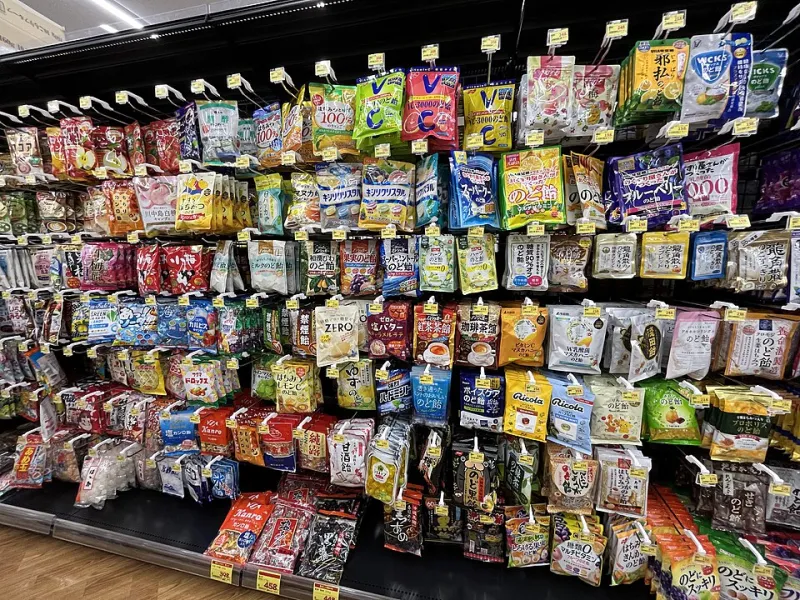
Humidity vs. Karinto: A US Pantry Audit for Shinbashi Counter Candy

Photo by Photo by Mega Stolberg on Unsplash on Unsplash
You did the fun part already. You browsed the counter, asked a few questions, and carried your paper-wrapped haul across the Pacific. Now the candy is sitting on a kitchen counter in Ohio or Arizona or a third-floor walk-up in Queens, and the real test begins. American kitchens are not one climate. They are a dry winter, a swampy July, a radiator, a dishwasher that vents steam directly into the room, and a refrigerator that promises safety and delivers condensation.
I ran a small, unscientific pantry audit with four representative types of Shinbashi counter candy: karinto, konpeito, assorted chewy sweets, and individually wrapped mochi-style bites. The goal was not laboratory precision. It was to answer a practical question: where does each one actually belong in a US kitchen, and how long does it stay good once the bag is open?
The Three Enemies: Moisture, Heat, and the Fridge
Most candy damage comes down to water and temperature. Sugar-based sweets like konpeito are relatively stable until humidity turns the surface tacky. Fried or roasted snacks like karinto lose their crunch fast when they pull moisture from the air. Chewy sweets can turn hard or grainy with temperature swings. Wrapped mochi-style bites have the shortest clock of all because they contain more moisture to begin with.
The refrigerator is the most misunderstood tool in this story. It is cold, yes, but it is also humid, and every time you open a container, warmer kitchen air rushes in and condenses on the candy. For most of these sweets, the fridge trades a small heat risk for a much larger texture risk. Use it selectively, not reflexively.
Karinto: The Crunch That Dies by Steam
Karinto is the drama queen of the group. A fresh brown-sugar karinto snapped between the teeth is one of the great candy-counter pleasures. Leave it in a bag with a loose twist tie next to a boiling kettle, and within a few days it chews like stale bread.
The fix is boring and effective: an airtight container with a real gasket. A glass jar with a clamp lid, a sturdy tin, or a thick zip-top freezer bag with the air pressed out all work. Keep it in an interior cabinet, away from the stove, the dishwasher, and the coffee maker. Do not refrigerate karinto. The cold does nothing useful, and the condensation on the way in and out will soften it faster than room air would.
Opened karinto is best within two to three weeks. If it has already gone soft, a few minutes in a toaster oven at low heat can bring back some snap, but watch it closely — sugar and oil scorch quickly.
Konpeito: The Almost-Indestructible One
Konpeito is the opposite problem. Those little sugar stars are essentially hard candy with a very low moisture content, which makes them forgiving. A jar on a shelf will keep them pleasant for weeks. The main failure mode is humidity: leave the jar open during a humid summer and the surfaces get sticky, then clump together into a decorative but annoying mass.
A plain glass jar with a screw lid is enough. Keep it out of direct sun, because color fading is real, and skip the fridge. If your konpeito does clump, a short stay in a dry, air-conditioned room usually loosens it. Opened konpeito is a two-to-three-month candy in most US homes, though the last few weeks are more about habit than hazard.
Chewy Sweets: The Fridge Judgment Call
Wrapped chewy sweets — the mizuame-based kind, fruit chews, soft candies — are the category where I bend the rules. At normal room temperature in an air-conditioned home, they are fine in a covered bowl or jar for three to four weeks. In a hot, humid kitchen with no AC, though, they can go tacky and meld into their wrappers.
If your kitchen regularly climbs above the mid-70s Fahrenheit in summer, a sealed container in the fridge is reasonable. The key word is sealed. Put the sweets in a zip-top bag, press out the air, then place that bag inside a hard container. When you want one, let the container sit on the counter for fifteen minutes before opening it. That tempering step is what prevents the beads of moisture that ruin the texture.
Wrapped Mochi-Style Bites: The Shortest Clock
Individually wrapped mochi-style bites are the most perishable thing in a typical Shinbashi haul. They contain enough moisture to support mold and enough starch to go hard at the edges. Eat them first. That is the honest advice.
At room temperature, aim to finish opened packages within one to two weeks. Keep them in an airtight container in the coolest interior cabinet you have. If your home is hot, the fridge is acceptable for unopened or well-wrapped pieces, but let them warm up before eating. Check the wrappers for puffiness, and check the candy itself for hard edges, off smells, or any fuzz. When in doubt, throw it out — this is not the category to gamble on.
Containers That Earn Their Shelf Space
You do not need a specialty storage system. You need a few containers that actually seal. Glass jars with clamp lids are excellent for konpeito and fine for karinto. Square OXO-style pop containers are convenient and stack well. Metal tins work if the lid fits snugly. Heavy-duty freezer bags are underrated for short-term storage, especially if you squeeze out the air.
Skip open decorative bowls, paper bags folded once, and the refrigerator door, which is the most temperature-unstable spot in the kitchen. Food-safe desiccant packets can help in a humid climate, but label them clearly and keep them away from kids and pets. Never eat them.
A Shelf-Life Chart to Tape Inside the Cabinet
| Candy type | Opened at room temp | Fridge? | Best container | Warning sign |
|---|---|---|---|---|
| Karinto | 2–3 weeks | No | Glass jar or tin with gasket | Soft chew, stale oil smell |
| Konpeito | 2–3 months | No | Screw-lid glass jar | Sticky surface, clumping |
| Wrapped chewy sweets | 3–4 weeks | Only in hot, humid kitchens | Sealed bag inside hard container | Tacky wrappers, hardened centers |
| Wrapped mochi-style bites | 1–2 weeks | Brief, if needed | Airtight container | Hard edges, puffiness, mold |
Where in the Kitchen, Exactly
A good spot is an interior cabinet away from the stove, the oven, the dishwasher, and any window that gets direct afternoon sun. Above the refrigerator is usually too warm. A shelf next to the kettle is a humidity trap. The counter is fine for a day or two, not for a month.
Label the container with the date you opened it. Do a quick weekly check: smell, squeeze, look. Rotate the oldest candy to the front. Buy smaller amounts more often if you can, because counter candy is fresh food in a small bag, not a collectible.
The Point of the Audit
The candy you carried home is groceries, not a souvenir. Treat it like the good cheese or the nice coffee: give it a proper container, a sensible shelf, and a reasonable deadline. Tape the chart inside a cabinet door, and the next bag from Shinbashi will have somewhere to live.