Plum, Maple, Pine: How to Read Shinbashi Wagashi by Silhouette
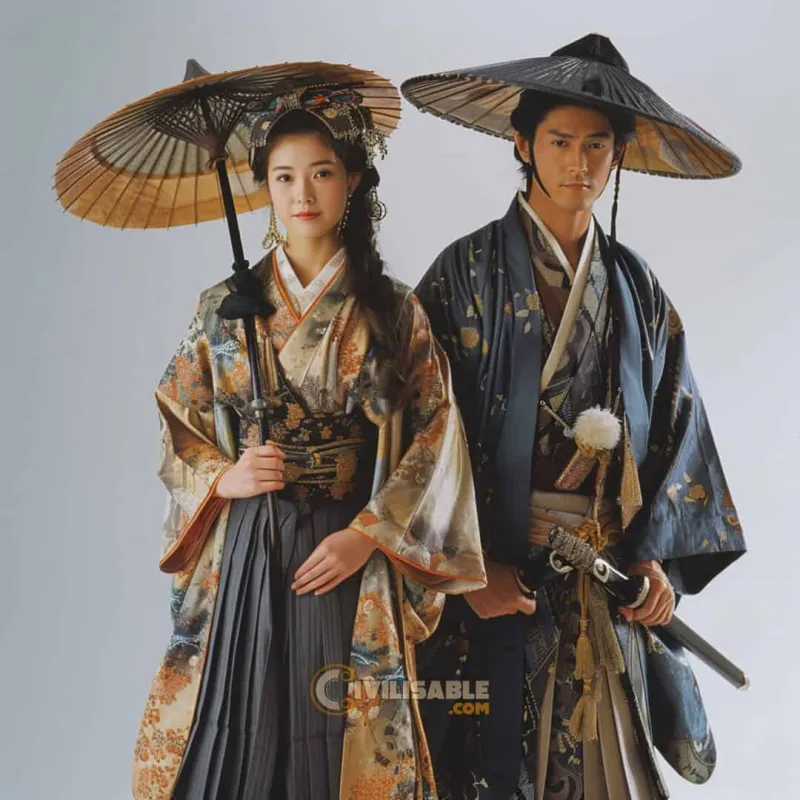
Photo: Japanese wagashi seasonal molded sweets display, via civilisable.com
Late November is a strange moment on a Shinbashi sweets counter. The maple leaves are still out, the pine is starting to appear, and a few plum blossoms are waiting for their cue. For a US shopper who does not read Japanese fluently, that little traffic jam of shapes is actually useful. It is a visual label, and it often tells you more about what is inside the box than the printed card does.
Shape Is the First Label
Japanese wagashi has a long habit of putting the season into the silhouette. A cherry blossom in April, a maple leaf in October, a pine branch near New Year: these are not random decorations. They are shorthand. A molded sweet shaped like a plum is usually telling you it belongs to late winter or early spring. A chestnut shape points toward autumn and early winter. A pine motif leans toward New Year and the colder end of the year.
That matters in Shinbashi because the neighborhood is full of small counters, station-side shops, and old-school sweet sellers that do not always have an English sign. You may see a tray of pale pink petals next to a tray of brown leaves and a tray of deep green pine. The shapes are doing the work of a shelf talker. Once you know the vocabulary, you can shop by silhouette instead of guessing from the packaging.
A Field Guide to the Forms You Will See
Plum (ume). Plum blossoms show up in late winter and early spring. The shape is usually a round petal with a deep notch, sometimes with a tiny yellow center. In wagashi, plum often signals a soft, bean-paste-based sweet meant to be eaten soon. If the petals look sharp and clean, the sweet is probably fresh. If the edges are dull or the surface looks dry, it has been sitting.
Cherry blossom (sakura). Spring's signature shape. You may see a single blossom or a cluster, and sometimes a salt-pickled leaf pressed into the side. Cherry blossom sweets can be delicate and soft, especially the molded nerikiri type. They are lovely, but they are not the thing to buy in November just because the box is pretty. A spring shape in a winter case is usually a sign of an assortment that has been around, not a sign of freshness.
Maple leaf (momiji). Autumn's most obvious form. In late November, maple leaves are still plausible, especially in mixed boxes that are easing toward winter. A good maple leaf shape has crisp points and a clean vein pattern. The sweet behind it is often a soft bean paste or a small baked sweet. If the leaf looks slumped or the color is muddy, pass.
Pine (matsu). Pine is the New Year shape, and it starts appearing before the holiday. It stands for longevity and endurance, which is a lot to ask of a small sweet, but there it is. Pine-shaped wagashi often have a firmer set than spring sweets, and they may be designed to hold up in a gift box. That makes them a safer choice for a US shopper who wants something that will survive a day in a tote bag.
Chestnut (kuri). A tiny wrapped chestnut, or a sweet shaped like one, is a strong autumn and early-winter signal. Chestnut sweets often have a nutty, starchy flavor and a slightly firmer bite. Look for a glossy surface and a shape that still reads as a chestnut rather than a brown blob. In Shinbashi, chestnut forms are common in small boxes meant to go with tea.
Texture Follows Form
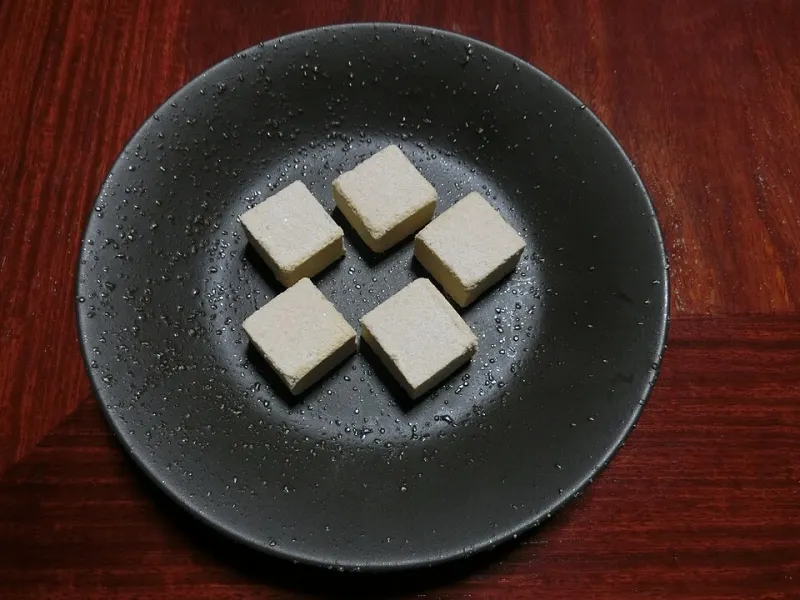
The shape is not only about season. It also hints at texture. Soft molded sweets, like nerikiri, are often shaped into flowers and leaves with a lot of handwork. They are meant to be eaten within a few days. Dry sweets, like rakugan or higashi, are pressed into molds and can sit longer. You can often tell the difference before you ask: soft shapes have gently rounded edges; dry shapes have crisp, almost chalky corners.
This is where a US shopper can get into trouble. A beautiful spring flower made of soft bean paste is not a souvenir to toss in a carry-on for a week. A pressed dry sweet in a pine shape is more forgiving. If you are buying for yourself in Shinbashi, buy the soft ones and eat them with tea that afternoon. If you are buying for someone back home, lean toward the firmer, drier shapes unless you know the box will travel quickly.
Reading the Box, Not Just the Sweet
A small box with one clear seasonal motif is usually a better bet than a box with five seasons fighting for space. Mixed boxes can be fine, but they are often assembled for variety rather than freshness. If you see cherry blossoms, maple leaves, and pine all in one small tray in late November, ask yourself whether that is a thoughtfully curated set or a clearing of old stock. It can be either. The shapes alone will not tell you. The date on the box will.
Look for a best-by label, and do not be shy about asking when the sweets were made. In a busy Shinbashi shop, staff are used to commuters buying small amounts. A simple question about freshness is normal. If the counter has a tray of soft plum shapes that look bright and clean, and a tray of maple leaves that look dry at the edges, the plum may actually be the fresher choice even though it is the earlier season.
A Practical Checklist for US Shoppers
- Name the season you are actually in. In late November, pine and chestnut make sense. Cherry blossom does not, unless you are buying a preserved or dry sweet with a long shelf life.
- Match the shape to the texture. Soft flower shapes are short-lived. Pressed or firm shapes travel better.
- Check the edges. Crisp, clean edges on a soft sweet suggest fresh molding. Dull, cracked edges suggest age.
- Buy the smaller box. A four-piece box with one clear motif is easier to judge than a twelve-piece assortment with every season in it.
- Ask about the date. Point to the box and ask, or look for the small label. Freshness beats decoration.
- Keep soft and dry separate. If you buy both, do not let a damp soft sweet sit against a dry one in the same bag.
- Choose one shape for a gift. A single pine or chestnut motif reads as intentional. A mixed box reads as a sampler, which is fine for you but less clear as a present.
Shinbashi is a good place to learn this because the counters are small and the turnover is steady. You can see the same shapes change from week to week. The box is not the message. The shape is. Read it first, then decide whether the sweet inside is worth the space in your bag.