Early Trays, Better Questions: A Pre-Noon Candy Route in Shinbashi
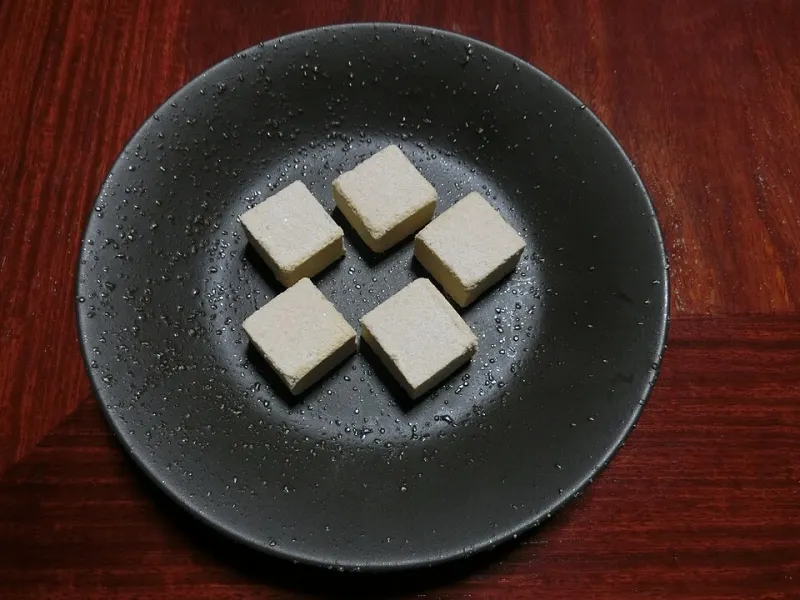
Photo: 大野 一将, CC BY-SA 4.0, via Wikimedia Commons
In Shinbashi, a candy counter has a pulse. Around lunch, it belongs to office workers on tight breaks. Later, it belongs to commuters grabbing something for the train. But earlier in the morning, before the lunch rush, it belongs to the shop itself: delivery boxes by the door, empty trays stacked to one side, tongs reset, small handwritten cards swapped out. That is the window worth catching.
This is not a secret hack or a race to be first. It is closer to visiting a bakery while bread is still being pulled from the oven. The point is not to score a rare item. The point is to see the counter at work, ask a better question, and leave with something that has not spent the whole day absorbing the room.
Why the Morning Has a Different Rhythm
Shinbashi candy shops are small. Many are run by a handful of people, and the morning is when they reset the counter after deliveries. Trays get wiped, bags get sealed, and the display moves from 'what is left' to 'what is ready.' For a US shopper used to shelves that look the same at 9 a.m. and 5 p.m., this is a useful shift in perspective. The counter is not a static shelf. It is a work surface.
That work surface is also where shopkeepers are most likely to talk. Not because they have nothing else to do, but because the morning has more pauses than the lunch crush. If you ask while their hands are full, you will get a polite nod. If you wait until a tray is set down and the tongs are placed, you may get a real answer.
Reading the Restock Cues
You do not need to speak Japanese to read the room. Look for the physical signs of a counter being rebuilt. A stack of empty trays near the register. A roll of plastic wrap on the counter. A delivery carton open on the floor. A shopkeeper weighing small batches and writing a label by hand. Those are not interruptions. They are the morning's main event.
One cue is especially useful: the pause after a tray is filled. That is your opening. Step to the side, let the shopkeeper finish arranging, and then ask one question. Not three. One. The question I like best is simple: 'Which of these was restocked today?' It gives the shopkeeper a chance to point, and it tells you which items are closest to their best condition.
Avoid hovering over a tray that is still being filled. Avoid asking for a sample while the shopkeeper is sealing bags. And if the shop is tiny, do not stand in the doorway with a guidebook open. Treat the counter like a counter, not a display case in a museum.
What Is Worth Buying Early
Freshness in candy is not the same as freshness in bread. Many Japanese sweets are stable for weeks, and some are better after a day or two. But a morning visit still has advantages. Karinto, the brown-sugar or white-sugar crunch that shows up on many Shinbashi counters, is at its best when the bag has not been opened and closed all day. A morning bag is a small thing, but it matters if you are carrying it home to the US and want the crunch to survive the trip.
Soft, chewy items are the other category to watch. Anything with a short date, a soft texture, or a wrapper that looks like it was sealed recently is a good morning buy. Individually wrapped candies are more forgiving, but even those benefit from a counter that has not been picked over. If you see a tray with only a few pieces left and a new tray waiting behind it, ask for the new one. Most shopkeepers will understand.
Amezaiku, the sculpted sugar candy that appears at festivals and a few specialty counters, is a different case. It is fragile, decorative, and often made in small batches. If you are lucky enough to see it being made or restocked, buy it early and carry it flat. Do not tuck it into a crowded tote bag. That is not a restock rule. It is a survival rule.
A Short Pre-Noon Route
You do not need a five-stop crawl. Three counters is plenty, and two is often better. Start with the shop closest to the station exit you actually use, not the one that looks most famous online. Arrive around mid-morning, after the first delivery rush but before the lunch crowd. If the door is open and the trays are still being arranged, you are early enough.
At the first shop, buy one small bag and ask one question. That is your warm-up. At the second shop, look for the tray that was just refilled. That is your main purchase. If you have a third stop, make it a shop with a different specialty: one for karinto, one for soft sweets, one for wrapped candy. Do not try to buy a full assortment at every counter. You will end up with too many bags and no room to ask anything.
Keep small bills handy. Many small shops still prefer cash, and a morning purchase is often a quick one. Do not block the register while you reorganize your bag. Step aside, zip up, and let the regulars through. The regulars are the reason the shop is there. You are a guest in their morning.
The Question That Opens the Counter
'What is popular?' is a fine question, but it often gets a safe answer. 'What was restocked today?' is better. It asks about timing, not taste. It lets the shopkeeper tell you what is fresh without making a recommendation they have to stand behind. If you want to go one step further, ask 'Which one should I eat soon?' That question works for soft sweets, seasonal items, and anything the shopkeeper knows will not last long in a suitcase.
If language is a barrier, point and use a simple phrase: 'osusume desu ka?' It means 'Is this a recommendation?' You do not need perfect grammar. A smile and a pointed finger go a long way. Just remember that the shopkeeper is not a tour guide. They are running a business. One good question is better than five half-questions.
When to Skip the Morning Visit
Morning is not magic. If the shop is already packed with regulars, skip it. If the delivery has not arrived and the trays are bare, skip it. If it is raining hard and the shopkeeper is busy moving boxes, skip it. A restock is a process, not a performance. You are not entitled to watch it.
The best morning visit is short. You see the counter being rebuilt, you ask one useful question, you buy something small, and you leave. That is the whole route. The reward is not a secret candy. It is a better sense of what the counter is like when it is not yet performing for the lunch crowd.
On a November morning in Shinbashi, with the air cool and the shop doors open, that is enough. The trays are full, the labels are fresh, and the shopkeeper has a minute. Take the minute. Then take the candy and go.