Cranberry Sauce Meets Imo Kenpi: Testing Shinbashi's Sweet-Potato Candy on a Thanksgiving Table
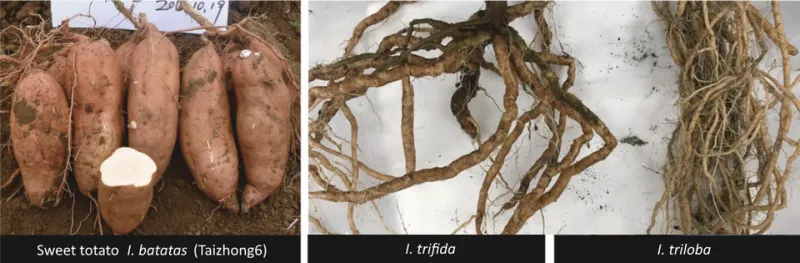
Photo: Shan Wu, Kin H. Lau, Qinghe Cao, John P. Hamilton, Honghe Sun, Chenxi Zhou, Lauren Eserman, Dorcus C. Gemenet, Bode A. Olukolu, Haiyan Wang, Emily Crisovan, Grant T. Godden, Chen Jiao, Xin Wang, Mercy Kitavi, Norma Manrique-Carpintero, Brieanne Vai
Thanksgiving is already a sugar event. Sweet potatoes arrive under a blanket of marshmallow, cranberries arrive jellied and quivering, and the pie course runs three deep. Sliding a Japanese candy bag onto that table takes nerve. But the sweet potato is the one ingredient both countries agree on, and Shinbashi sells it in forms most American kitchens have never seen.
This November, we did the obvious thing: bought three kinds of imo candy by weight at Shinbashi counters, carried them into a US dining room, and put them next to the roast bird. Some pairings were excellent. One was a mess. All of it was more interesting than another dish of candied yams.
Three Sweets, One Root Vegetable
The word imo just means potato, and in candy shops it usually means sweet potato. The three styles below are the ones you will actually find in a Shinbashi display case, and they behave very differently.
Imo kenpi is the classic. Sweet potato is cut into thin batons, fried until it goes limp and sweet, then tumbled in hot sugar syrup so the outside hardens into a thin, glassy shell. The result looks like a pile of pale kindling and snaps when you bite it. It is strongly associated with Kochi Prefecture on Shikoku, where it has been made since the early twentieth century, and it is sold everywhere in Tokyo as a shelf-stable snack.
Daigaku imo — literally "university potato" — is the Tokyo one. Chunks of sweet potato, skin on, fried and glazed in a sugar-and-soy syrup, then scattered with black sesame. The name is usually traced to students around a century ago who were said to be fond of it. It is softer than kenpi, slightly salty at the edges, and it smells like a street stall.
Sesame-dusted bites are the third style, and the least standardized. Some shops sell a soft, chewy cube coated in ground sesame; others sell thin slices with whole seeds pressed into a sugar glaze. Ask what you are looking at. The counter staff will tell you, and the answer changes how you serve it.
The Gram Counter Problem
None of these come in a branded box with a serving suggestion. They come out of a plastic tray and onto a scale in 100-gram increments, folded into a paper bag with the top twisted shut. A few hundred yen per 100 grams is typical, which means a generous dessert-bowl portion for eight people costs less than a supermarket pie.
Buy 200 to 300 grams of whatever you plan to serve. Kenpi is light and voluminous, so 200 grams fills a cereal bowl; daigaku imo is dense and 200 grams will look stingy. If you are unsure, buy small amounts of several kinds and let the table decide — the whole point of buying by weight is that you are not stuck with a pound of anything.
The Pairing Test
We put each candy on the table in its own small dish, unlabeled, and let people graze. Here is what happened.
- Imo kenpi with cranberry sauce. The winner. The sour, tannic hit of cranberry cuts straight through the hard sugar shell, and the shell cracks against the soft sauce in a way that feels deliberate. Put a small dish of whole kenpi next to the cranberry dish and watch it empty.
- Daigaku imo with dark meat and gravy. The salt in the glaze does the work here. A piece of daigaku imo eaten after a bite of turkey thigh tastes rounder and less sweet than it does alone. The sesame reads almost like a spice rub.
- Sesame bites with pumpkin pie. The spice bridge. Cinnamon and nutmeg in the pie find their echo in toasted sesame, and the chewy texture is a nice contrast to flaky crust. A few of these on the plate beside a slice is enough; they are rich.
- Kenpi with stuffing. A failure. Both are dry and both demand chewing, and the kenpi's hard shell gets in the way of the herbs. Skip this one.
The Move Nobody Expected
Crush a handful of imo kenpi with the back of a spoon and scatter the shards over vanilla ice cream, then spoon over a little of the cranberry sauce. It is essentially a deconstructed sweet-potato sundae, and it was the most-requested repeat of the afternoon. The candy softens just enough in the cold dairy to stop being sharp.
Serving and Shipping Notes
A few practical things we learned.
- Do not refrigerate the candy. The sugar shell goes tacky and then soft. Keep the paper bag clipped shut at room temperature and it will hold for weeks.
- Bowl it, do not plate it. These are finger food. A shallow dish with a small spoon for serving is all you need, plus napkins — the glaze is sticky.
- Buy at the end of the trip. Kenpi travels well in a suitcase; soft sesame bites can get pressed flat. If you are fitting candy around a longer itinerary, buy the hard styles early and the soft ones the day you fly.
- Declare it. Commercially packaged, shelf-stable sweets are generally fine to bring into the US for personal use, but rules on agricultural products change, so check the current CBP guidance before you pack and mention the bag if asked. A paper bag from a shop is not a sealed commercial package — ask the counter to tape the fold shut.
Why It Belongs on the Table
A Thanksgiving spread is a set of textures as much as flavors: soft, wet, crisp, crumbly. Japanese sweet-potato candy slots into that logic almost without effort, and it brings a snap and a sesame note that nothing else on the sideboard provides. You are not replacing the marshmallow-topped casserole. You are giving the table a second, sharper way to think about the same vegetable — and giving your guests something to ask about between the second helping and the pie.
Buy a bag in Shinbashi. Weigh out a little more than you think you need. The cranberry dish is waiting.


