Look Below the Gift Boxes: A Budget-Minded Guide to Shinbashi's Lower Shelves
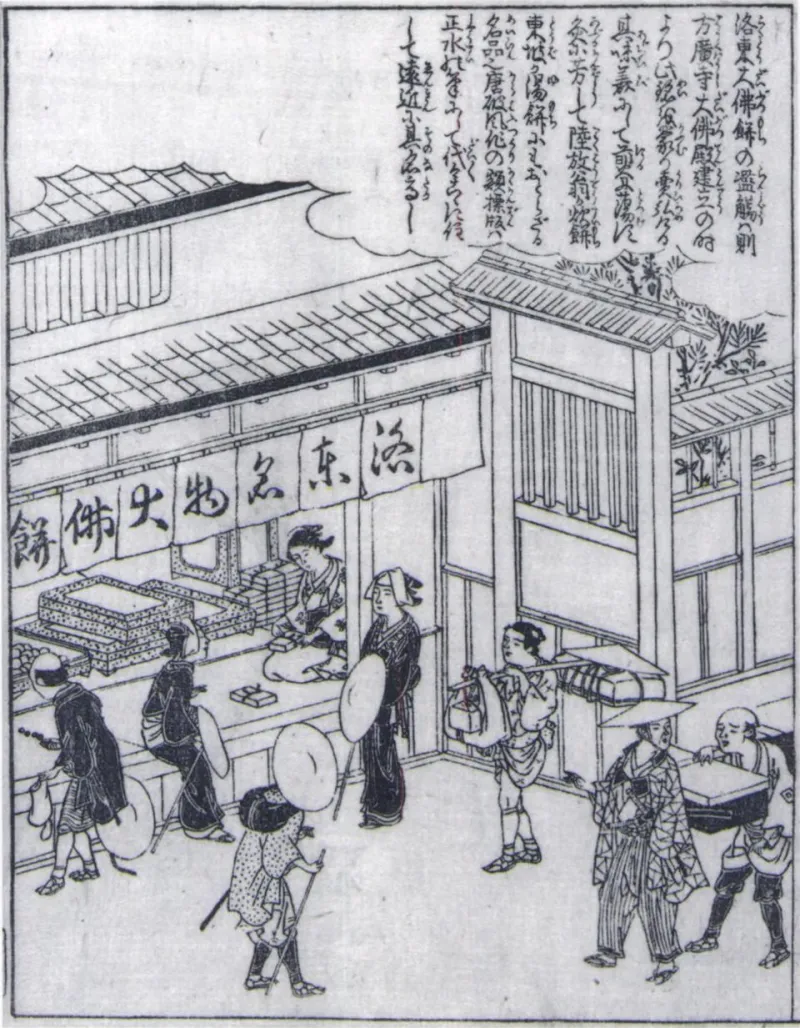
Photo: Shunchosai Takehara Nobushige, Public domain, via Wikimedia Commons
Walk into a Shinbashi candy shop and your eyes go up first. That is not an accident. The shelves at chest and eye level are usually dressed for visitors: lacquered gift boxes, seasonal assortments, pretty stacks of individually wrapped sweets with ribbons and printed labels. They look like the shop's answer to a holiday display at a US department store. They are also, often, the most expensive things in the room.
The bargains tend to live lower down. Not in a secret cabinet, not behind a curtain, just below the natural sweep of a first glance. In Shinbashi, where plenty of candy counters serve office workers, commuters, and neighborhood regulars, the lower and rear shelves are where the everyday stock tends to sit: small bags of karinto, loose hard candies, modest packs of chewing sweets, and the kind of thing a person buys on a Tuesday afternoon rather than wraps for a colleague's wedding. If you are shopping with a budget and a snack habit, learning to look down is one of the most useful skills you can bring through the door.
Why the Good Stuff Sits Low
Retail logic is pretty consistent across cities. Put the high-margin, high-visual-impact items where they are easiest to reach and easiest to admire. Put the repeat-purchase staples where staff can restock them quickly and where regulars already know to find them. In a Japanese candy shop, that often means the upper and middle shelves hold gift-ready boxes and seasonal promotions, while the lower shelves hold smaller, humbler bags. The back shelf, meanwhile, may carry bulkier or less photogenic stock: simple cellophane bags, shop-labeled packs, and value sizes that do not need a display card to sell.
This is not a hard rule. Some shops invert it, and some put the cheap stuff right by the register to encourage an add-on. But as a starting hypothesis, it works often enough to change how you scan a counter. Instead of beginning at eye level and working down, start at the bottom and work back. You are not looking for the fanciest package. You are looking for the package that looks like it gets replaced often.
Three Clues Worth Reading
Handwritten tags
A small card with handwriting on it is usually a good sign. It may say the name of the sweet, the price by weight, or a short note like "new" or "recommended." Handwritten tags often sit in front of stock that staff actually care about and restock regularly. They are less polished than a printed gift-box label, which is exactly the point. In a shop with a lot of seasonal gift stock, the handwritten tag is the closest thing to a staff recommendation you will get without asking.
Turnover clues
Look at the gaps. A shelf with a few empty slots, a slightly rumpled stack, or a row where one bag size is nearly gone is usually a shelf that moves. Perfectly arranged rows can be beautiful, but they can also be display stock that sits for weeks. Turnover is not a guarantee of quality, but it is a useful signal that the product is fresh enough for regulars to keep buying it. If you see a shop worker refilling a lower shelf during your visit, take note. That is the real best-seller list.
Smaller bags and shop labels
Budget shopping in a candy shop is not only about price per bag. It is about price per try. Smaller bags let you sample more widely without committing to a large box. Shop-labeled packs, plain wrappers, and simple bundles are often priced for daily eating rather than gifting. They may not look like much on a shelf, but they are frequently the same style of candy that regulars buy by the handful. If you are bringing sweets back to the US, smaller bags also pack better and survive the trip with less crushing.
A No-Rummage Route for Visitors
You do not need to crouch on the floor or move stock around. A polite scan is enough. Start at the entrance and look at the lowest shelf first, moving left to right. Then check the shelf just above it. Then glance at the rear of the counter, if it is visible, for stacks of simple bags or refill boxes. Keep your hands light and your movements slow. In a small shop, the difference between browsing and rummaging is mostly about whether you are putting things back where you found them.
If a tag is unclear, ask. A short "Sumimasen, kore wa nan desu ka?" goes a long way, and pointing is perfectly acceptable. Staff at candy counters are used to questions about what is inside a wrapper, how sweet something is, or whether a bag is meant for tea. You are not bothering them by being curious. You are doing what the counter is there for.
One practical route: choose one lower-shelf bag of karinto or hard candy, one small shop-labeled pack you cannot immediately identify, and one modest item from the rear shelf if it is accessible. That gives you a range of textures and prices without ending up with a bag full of gift boxes you paid too much for. If you are shopping for a US kitchen, think in terms of a week of snacks rather than a hostess gift. The lower shelf is built for exactly that.
What to Leave on the Upper Shelf
None of this means the eye-level shelves are a trap. Gift boxes have their place, and if you need something presentable for a coworker or a host, the polished stuff is right there. But if your goal is everyday candy, the upper shelf is often doing a different job. It is selling presentation, seasonality, and the comfort of a known brand. The lower shelf is selling repetition: the bag someone buys again next week.
That is the budget lesson in one sentence. Look for the shelf that looks lived-in, not the one that looks staged. In Shinbashi, the best-value candy is not hidden on purpose. It is just below the part of the shop designed to catch your eye. Look down, read the small tags, and let the regulars' shelf do the recommending.