After the Last Train: Reading Shinbashi's Late-Night Vending Machines Like a Local
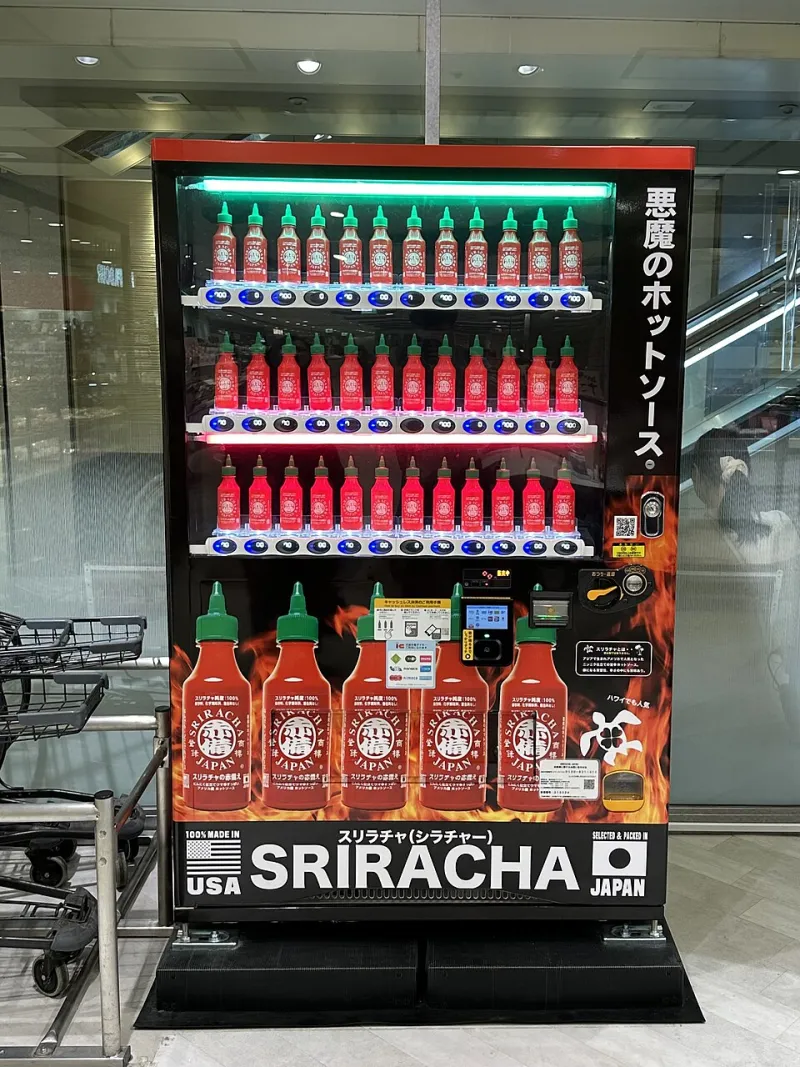
Photo: Zheng Zhou, CC BY-SA 4.0, via Wikimedia Commons
At half past eleven, Shinbashi changes hands. The izakaya crowds thin out, the shutters come down on the snack shops, and the district hands itself over to taxis, delivery bikes, and a long row of lit-up boxes humming on the pavement.
For a district built around commuting, that is not a novelty. It is infrastructure. And if you are the kind of person who plans a trip around candy, the vending machine is the most honest candy shop in Tokyo.
The Only Shop Still Open
Most candy and wagashi counters in Tokyo close by early evening. That leaves a genuine gap for anyone finishing work at ten or eleven, or for a visitor whose day got away from them. The machine fills that gap without a clerk, a queue, or an explanation. You put in a coin, a coil turns, something falls, and you are eating.
Compare that with the ceremony around a boxed wagashi and you can see the whole range of Japanese sweets culture in one street: the gift, and the snack.
What Is Actually In There
Not just canned coffee, although there is plenty of that. The machines near office blocks and station exits tend to carry a small candy selection alongside drinks:
- Chocolate bars in the crunchy, wafer-heavy style that dominates Japanese convenience retail
- Fruit chews, sold in small packs, one of the most reliable sellers anywhere
- Corn puff snacks in long single-serve tubes, often the cheapest thing in the machine
- Hard candy, individually wrapped, milk and matcha flavors especially
- Mints and gum, which do a lot of quiet business in a district full of people who talk for a living
- Throat lozenges, a genuinely Japanese vending staple and a small window into the local workday
Prices usually land somewhere between one and two hundred yen. Some rows are refrigerated, some are heated, and the heated rows in winter are the reason to carry coins instead of paying with a phone.
The Machine as a Taste Map
Here is the part worth slowing down for. A vending machine's inventory is a small survey of everyone who walks past it.
A bank of machines next to a construction site leans heavy: big calories, canned coffee, sports drinks. Near a taxi stand you find gum, mints, and caffeine, because the customers are sitting in a car for eight hours. Outside an office tower the lineup goes quiet and practical, with throat drops and hard candy in small denominations. On a side street with a couple of small bars, it is almost all breath mints.
None of this is published anywhere. You read it by looking at what is sold out. An empty row is the closest thing a machine has to a review.
Why This Is Real Candy Culture
The instinct that put konpeito in a cellophane bag at a station kiosk is the same instinct that stocks a machine with individually wrapped hard candy at midnight. It is about making something small and cheap available at the exact moment someone wants it.
That is not the opposite of tradition. It is the everyday version of it, and it is where a lot of Tokyo's candy actually gets eaten: not from a wooden box, but on the walk from the office to the platform.
A Short After-Dark Route
Start at the Karasumori Exit side of Shinbashi Station, near the steam locomotive on its plinth, and walk a couple of blocks into the office streets behind it. This is where the machine density is highest, because this is where the people are. Loop back under the tracks toward the station, where the smaller side streets carry older, weirder machines run by small operators rather than the big beverage companies.
That distinction is worth noticing. A corporate machine is tidy and standardized. A small-operator machine will have a strange mix: one row of candy, one row of something you have never seen, and a price sticker that has clearly been there a while. Those are the interesting ones.
Finishing near the station also means you can make a decision about the last train while you still have options.
Practical Notes for a US Visitor
- Bring coins. A handful of hundred-yen coins covers almost anything, and not every machine takes IC cards.
- Check for a hot row. In colder months, a warm can of coffee or corn soup is half the reason the machine exists.
- Do not block the pavement. These machines sit in narrow streets with actual pedestrian traffic. Buy and step aside.
- Carry your wrapper. Public bins are rare. The wrapper goes back to your hotel with you.
- Keep the noise down if you drift toward residential edges that fringe the district.
- Buy the cheap thing first. A thirty-yen corn puff tells you more about the neighborhood than a fancy souvenir ever will.
What to Try First
If you have never fed coins into a Japanese machine, start with a crunchy chocolate bar, a tube of corn puffs, and a heated can of coffee to hold while you walk. Then buy a pack of hard candy for the hotel room and notice, a few days later, that you have been carrying it around like a local.
The machine is not a compromise on candy culture. It is the version of it that never closes.